
Across recent conversations with advertisers, a consistent theme keeps surfacing. Marketing teams are doing the work. Leads are coming in, engagement reports look active, and names are moving into the CRM. Yet sales teams still hesitate. They see records, lists, or spreadsheets, but not enough context to confidently act on them.
Marketing sees signals. Sales sees outcomes. Both teams are trying to piece together a buyer story that feels incomplete.
This disconnect rarely comes from misalignment or lack of effort. More often, it is a data problem.
Why Traditional Reporting Falls Short
Most reporting frameworks capture only the final moments of a buyer’s journey. A form fill, a content download, or a demo request confirms that something happened, but it does not explain what led to that moment or how long interest had been developing.
B2B buyers do not move in clean, linear paths. According to Gartner, 77% of B2B buyers say their latest purchase was very complex or difficult. The typical buying group for a complex B2B solution now involves 6 to 10 decision makers‚ and each comes to the table armed with 4-5 pieces of information they’ve gathered independently. They explore topics, step away, return weeks later, compare perspectives, and revisit content as internal priorities shift. So, one interaction rarely tells the full story.
Without visibility into those behaviors, teams are left guessing where a lead truly sits in the funnel. That uncertainty slows follow-up, weakens conversations, and often leads to missed opportunities on both sides.
The Role of Unified First-Party Data
This is where first-party data becomes essential. When audience engagement is observed over time, patterns begin to emerge that single-touch reporting simply cannot surface.
BNP Media’s audience is built on verified professionals actively engaging with trusted industry content. That daily engagement creates a richer behavioral picture, showing not just what action occurred, but how interest evolved.
Instead of isolated data points, teams gain insight into:
- Topics buyers return to repeatedly
- The pace and frequency of engagement
- Signals that indicate early research versus active evaluation
That context changes how leads are interpreted and prioritized.
Turning Insight into Action with IgniteDemand
IgniteDemand is designed to make behavioral first-party data usable across both marketing and sales. Rather than passing along static lead lists, the platform highlights meaningful signals that reflect real buyer intent.
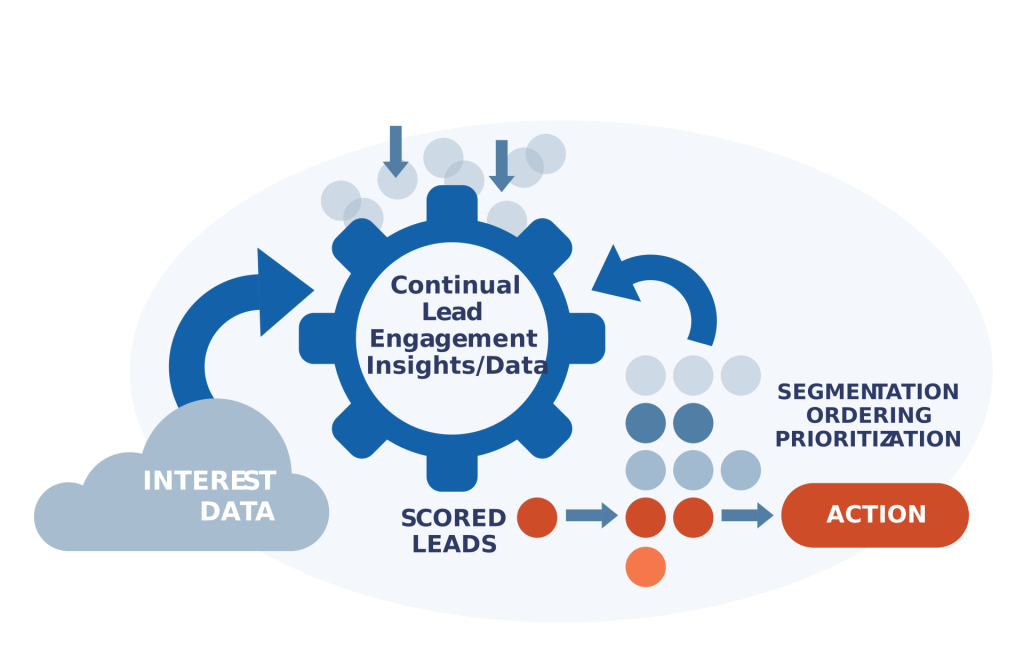
Within IgniteDemand, teams can see:
- Warm and hot leads identified through sustained engagement
- Content pathways that influenced interest over time
- Activity trends that signal when attention is increasing
Sales teams gain confidence in when and how to reach out. Marketing teams gain clarity around which topics, formats, and messages are driving movement deeper into the funnel.
Most importantly, both teams are working from the same view of the buyer.
Creating a Shared Language Around Buyer Intent
When sales and marketing can see the full context behind a lead, conversations change. Follow-up becomes more relevant. Content decisions become more informed. Reporting discussions shift away from volume and toward quality.
The sales–marketing disconnect is often rooted in missing information, not conflicting objectives. First-party data helps close that gap. IgniteDemand turns that data into practical, everyday clarity.
Together, they allow teams to move from activity to action with greater confidence and far less guesswork.
If you would like to see how these insights come together inside the IgniteDemand platform, you can explore the dashboard or connect with our team for a brief walkthrough.