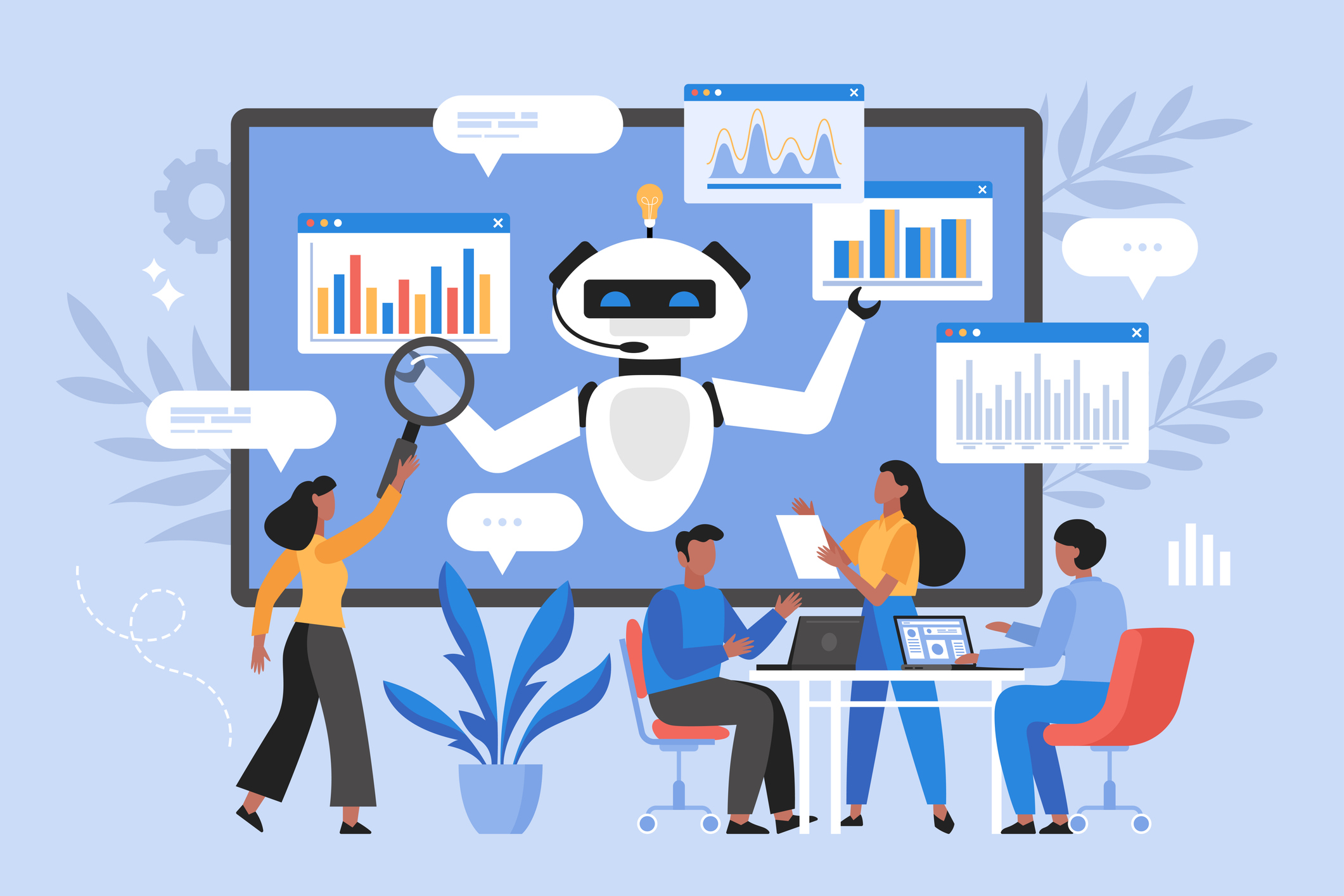
AI has made it remarkably easy to generate an answer. Ask for a marketing plan, campaign idea, brand concept or content strategy, and within seconds you can have something that looks ready to use.
The harder question is whether it is actually the right answer.
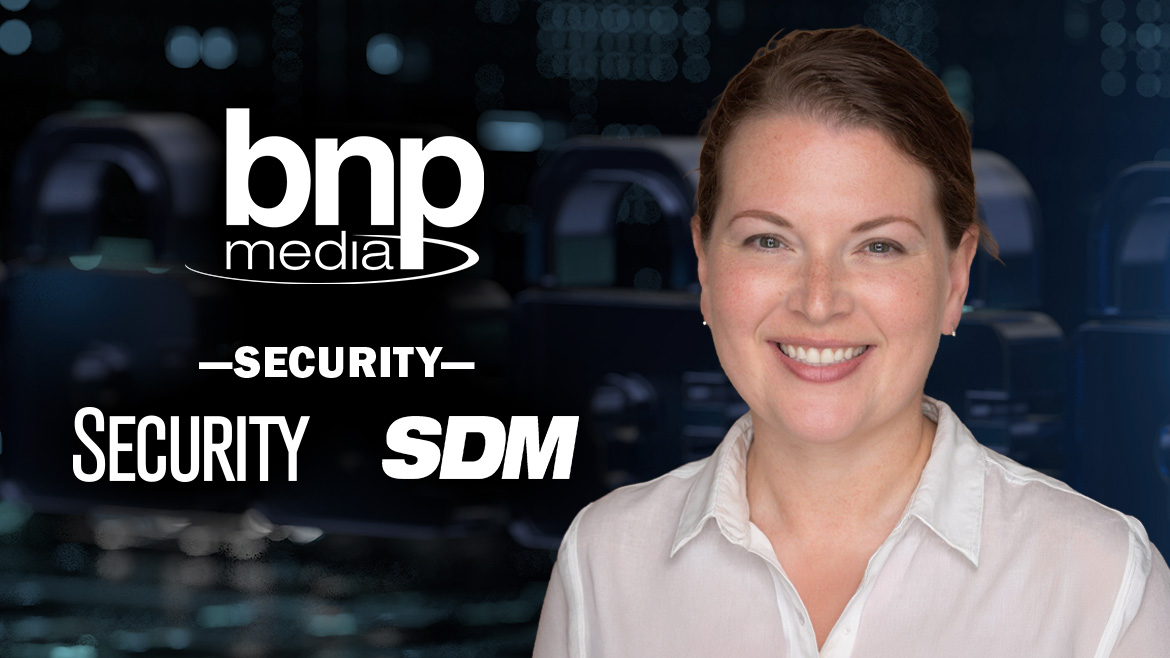
In this episode of Confessions of a Mad Marketer, BNP Media CMO Ben LeDonni sits down with Crystal Williams, Co-Founder and Marketing Strategist at Lemon Seed Marketing, and Tyler Baber, Managing Director of BNP Engage, to discuss what happens when faster technology meets the realities of marketing.
Do Not Change Something Just Because You Are Tired of It
One of Crystal’s most memorable marketing lessons came before AI entered the conversation.
While working for her family’s HVAC and plumbing company, she decided to replace a successful free-TV promotion with an iPad giveaway. There was no performance problem behind the decision. She had simply seen the TV promotion so often that she wanted something different.
Her father’s reaction made the problem clear: Why change something that was working?
Marketers spend every day looking at their own campaigns, creative and messaging. Customers do not. What feels repetitive internally may still be relatively new to the person who encounters it when they finally have a need.
The lesson was simple: Do not confuse your own fatigue with your customer’s response.
AI Can Accelerate an Idea. It Cannot Validate It.
That distinction has become increasingly important as marketers incorporate AI into their work.
Crystal and Tyler have both encountered businesses arriving with AI-generated branding, marketing plans and strategies that appear complete but fall apart when subjected to practical questions.
AI can provide starting points, accelerate research and help teams move from an idea to execution much faster. What it cannot reliably determine is whether the underlying idea makes sense for a particular company, market or customer.
Tyler sees another potential problem when AI begins replacing collaboration. An idea can be fed into AI, refined repeatedly and come back looking increasingly convincing without ever being challenged by another person’s experience or perspective.
Marketing still needs to be pressure-tested with people.
Faster Marketing Does Not Automatically Mean Better Marketing
AI has also changed expectations around how quickly work should be completed.
If content can be generated in seconds, why should a campaign, website or strategy take weeks or months?
For Tyler, that makes the distinction between output and outcome increasingly important. Marketing teams can become highly efficient at completing tasks without stopping to determine whether those tasks are producing the intended business result.
Sometimes the right response to a request for faster delivery is that the work needs more time to be done correctly.
Relationships Are Becoming More Important
For Crystal’s home service clients, technology is also changing the customer experience.
Consumers can contact a contractor through phone calls, texts, website forms, chat and social media. AI-powered tools can help businesses respond quickly across those channels, particularly when speed to lead matters.
But completely removing the human option can create another problem.
Crystal recommends balancing automation with an easy path to a real person while continuing to invest in the relationship-building activities that have always mattered: community involvement, reviews, organic social media and regular communication with customers.
Those signals are also becoming relevant to how AI evaluates and recommends businesses.
B2B Brands Need People Behind Their Expertise
The same shift is happening in B2B.
For manufacturers and distributors, Tyler sees the company website remaining an important foundation, particularly when it provides direct answers to the questions prospects and customers are asking.
But publishing useful information under a company name alone may no longer be enough.
Named experts are becoming a more important part of a company’s authority. That means the people within an organization, their expertise and the perspectives they share through company resource centers, LinkedIn and other channels can contribute to how the business is discovered and evaluated.
It also means marketers may need to reconsider channels they previously dismissed. Changes in targeting, buyer behavior and the way prospects conduct research are creating opportunities for tactics that may not have made sense for a particular B2B market several years ago.
The Marketing Skill AI Cannot Replace
When asked what advice they would give someone entering marketing today, Crystal and Tyler both return to skills that extend beyond knowing how to use the latest technology.
Tyler recommends approaching marketing as experimentation: develop a hypothesis, measure what happens, learn from the results and use that information to make the next decision better.
Crystal points to creativity, analytical thinking, organization, business knowledge and, importantly, execution.
AI will continue to change the tools marketers use and the speed at which they work. The advantage will belong to marketers who know how to evaluate what those tools produce, apply their own experience and turn promising ideas into marketing that works in the real world.
Getty Image Credit: girafchik123; Creative #: 1497617145